







Search Results for: Variety 74110

What exactly does coffee variety 74110 represent? A rundown of disease-resistant seeds bred in Ethiopia
In the world of specialty coffee, varieties named after numbers are becoming increasingly common, and 74110 is one of the most talked-about. It comes from Ethiopia, the birthplace of coffee, was bred by the Jimma Agricultural Research Center, and is one of the pioneering varieties in the fight against coffee berry disease. This article will walk you through the origin of the name 74110, the background of its discovery, its plant characteristics, and its flavor profile. We will also look at Ethiopia's unique approach to variety selection and the concept of "heirloom varieties," and see how this variety frequently appears in COE competitions. Front Street Coffee invites you to explore the story behind this number. [more…]
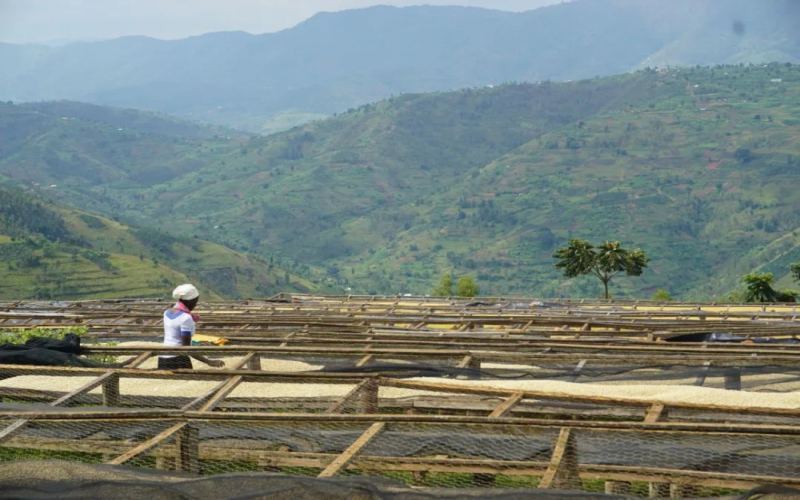
Ethiopian 74110 Digital Variety: Origin and Flavor Characteristics of Resistance to Coffee Berry Disease
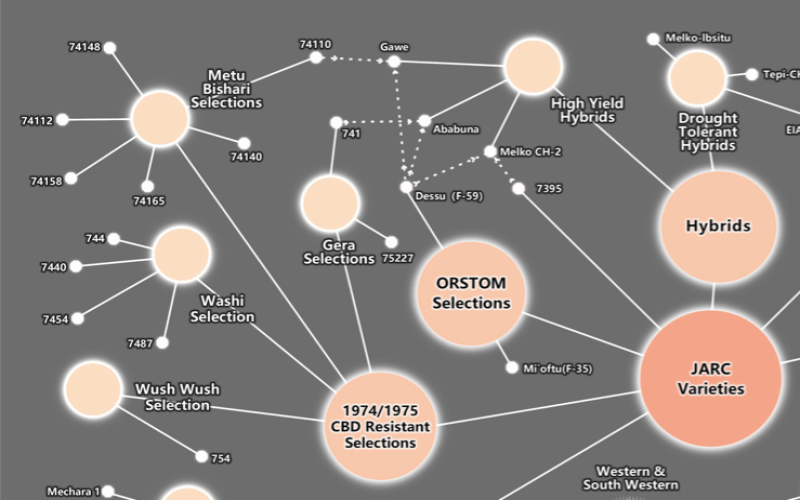
Ethiopia, as the birthplace of Arabica coffee, is home to tens of thousands of native varieties, usually collectively referred to as "Heirloom." However, in recent years, numerically named varieties such as 74110 have gradually entered the public eye. Behind these numbers lies a history of disease-resistant breeding: in the 1970s, coffee berry disease ran rampant, and JARC collected and selected 13 resistant varieties, giving rise to the 74 series. This article will explain the naming logic, variety characteristics, cultivation distribution, and flavor performance of 74110, and compare its similarities and differences with 74112, helping you gain a more comprehensive understanding of this batch of numbered varieties. [more…]
The Complete Guide to Coffee Variety Codes: The Stories and Origins Behind 74110, SL34, F1, and H1
When selecting coffee beans, a string of mysterious codes occasionally appears in the variety column, such as 74110, SL34, F1, H1, and so on. They do not have resounding names like Typica or Geisha, yet each carries a piece of breeding history. What exactly do these codes mean? Are they years, experiment numbers, or abbreviations of research institutions? This article will trace the origins of these numbered varieties, from disease-resistant varieties in Ethiopia to selections by the Scott Laboratories in Kenya, and then to the F1 hybrid program in the Americas, uncovering the mysteries of their identities one by one. Front Street Coffee will also share the unique charm of these varieties in the cup, combined with their flavor performance. [more…]
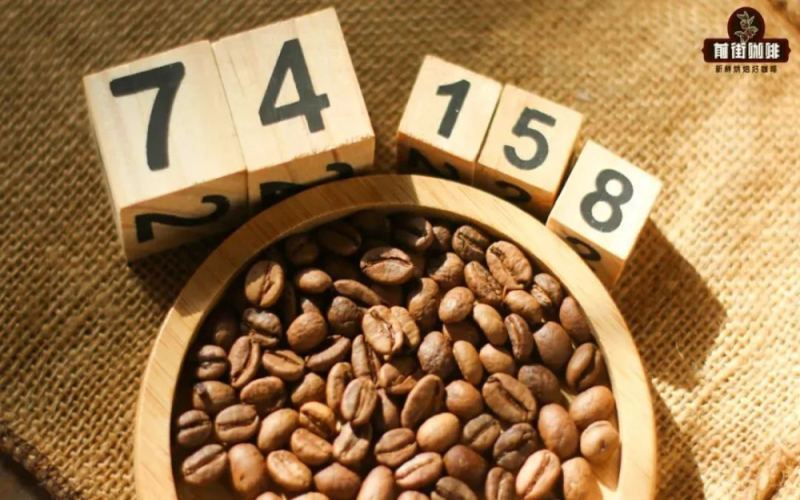
The Origin and Flavor Characteristics of Ethiopian Digital Coffee Varieties 74158 and 74110
When purchasing Ethiopian coffee, in addition to the common Heirloom native variety label, in recent years more and more varieties with numerical codes have entered the public eye, such as 74158, 74110, and others. What exactly do these numbers represent? They are closely related to a period of disease-resistant breeding history in the Ethiopian coffee industry. In the 1970s, coffee anthracnose ravaged Ethiopian producing regions, prompting the Jimma Agricultural Research Center to launch a systematic breeding program, selecting from hundreds of samples several varieties that combined disease resistance with excellent flavor. This article will outline the origins of these numerical varieties, their classification logic, the flavor characteristics of their main representatives, and their performance in COE competitions, and will also introduce related products brought in by Front Street Coffee. [more…]
Ethiopia Guji Coffee Flavor Analysis: Characteristics of 74110 and 74112 Varieties and Introduction to the Shakiso Wako Lot
The Guji region of Ethiopia is renowned worldwide for its unique flavors and excellent varieties. This article will delve into the origin background, traceability, and the origins and characteristics of the two heirloom varieties, 74110 and 74112, used in Shakiso Wako organic coffee. These two varieties were developed by the Jimma Agricultural Research Center in the 1970s to resist coffee berry disease and are now widely cultivated in the Guji region. The article will also share the tasting notes of this batch of coffee, including mild citrus acidity, grapefruit, jasmine, and sweetness flavor characteristics. Whether you are a coffee enthusiast or a professional, you can gain a deeper understanding of Ethiopian coffee from it. Front Street Coffee recommends that you pay attention to this high-quality coffee with structure and sweetness. [more…]
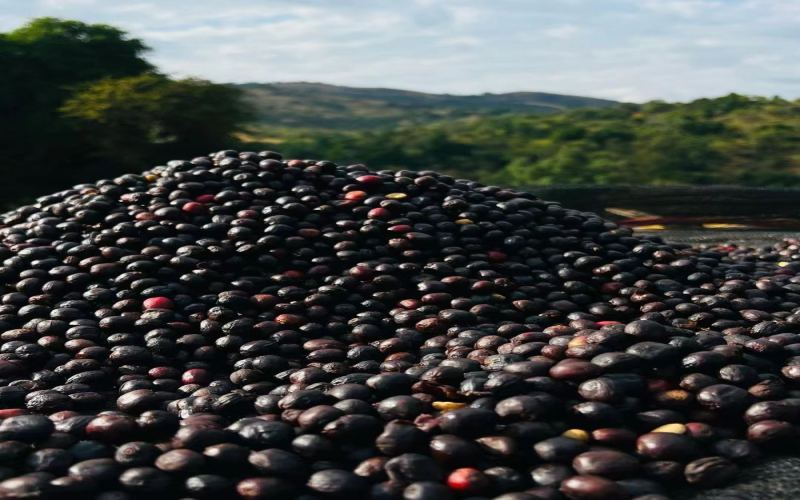
Ethiopian Coffee Variety Analysis: Characteristic Differences Between the Native Heirloom Variety and the Numerically Bred Varieties 74158, 74112, and 74110
Ethiopia, as coffee's genetic treasure trove, has a variety system far more complex than one might imagine. The Heirloom native variety label commonly seen on the market is actually a collective term for mixed-harvest varieties, not a single specific variety. The numeric codes such as 74110, 74112, and 74158 that have frequently appeared in recent years originate from JARC's disease-resistant breeding program in the 1970s. This article will systematically sort out the classification of Ethiopian coffee cultivation models, the essential meaning of Heirloom, the origin of the 74-series numeric varieties, and the identification and naming of Landrace local varieties, helping coffee enthusiasts understand the variety information on Ethiopian coffee bags. [more…]
Coffee Bean 74 Series | What Are Ethiopian Coffee Varieties 74110 and 74158? Introduction to Sidamo Santa Vini Coffee Flavor, Mouthfeel, and Pour-Over Brewing Parameters
(Top left) Among the thousands of different coffee varieties, it's inevitable that some beans have rather unusual names! Unlike most beans such as Bourbon and Typica, which have conventional names, these are like secret agents, each with their own code number. For example, varieties named with letters plus numbers. [more…]
What is the origin of Ethiopian numerical varieties like 74158? Front Street Coffee ALO and Hamasho flavor analysis
In recent years, a group of numerically named varieties have frequently appeared among Ethiopian coffees. Coded beans such as 74158, 74110, and 74112 not only appear on the lists of major green bean competitions, but have also become targets that many coffee farmers and brands are eager to plant. What exactly do these numbers represent? Why can they excel in both flavor and yield? This article will start with the history of JARC's variety selection and breeding, sort out the origins and advantages of these coded beans, and focus on two standout 74158 coffees in Front Street Coffee's bean list — Front Street Ethiopia·ALO and Front Street Ethiopia·Hamashu — to help you understand their respective flavor characteristics and origin backgrounds. [more…]
A Complete Analysis of Ethiopia's Nine Major Coffee Regions: Yirgacheffe, Sidamo Native Species Flavors, and Front Street Roasting & Brewing Guide
As the birthplace of Arabica coffee, Ethiopia is home to the world's largest coffee gene pool. Its nine specialty regions each possess a distinct terroir character, from the citrus and floral notes of Yirgacheffe to the wild, complex aromas of Harrar, from the rich fruity tones of Sidama to the sandalwood finish of Limu, presenting an astonishing spectrum of flavors. This article systematically reviews the altitude, processing methods, and flavor characteristics of Ethiopia's various regions, offers an in-depth interpretation of the variety classification logic behind Heirloom landraces, including the origins of the JARC series, Dega, and Kurume, and, combined with Front Street Coffee's Huakui roasting curve and V60 brewing parameters, provides coffee lovers with a complete guide from origin to cup. [more…]
The Origins of Ethiopia's 74 Series Numbered Coffee Varieties and a Flavor Brewing Guide for 74158
In the world of coffee, some varieties are not known by familiar names like Bourbon or Typica, but by a string of seemingly mysterious numbers, such as Ethiopia's 74 series, which begins with 7. Where did they come from, and what do the numbers represent? This article traces the background behind the creation of this group of disease-resistant varieties, explains the meanings of codes such as 741, 74110, 74158, and 74165, and focuses on the Sidamo Saint Vini 74158 sold by Front Street Coffee, sharing the flavor profile and pour-over parameters brought by its 96-hour anaerobic natural process, helping coffee lovers understand the story behind numbered varieties and their charm in the cup. [more…]
A Complete Analysis of Ethiopian Coffee Varieties: From the Native Heirloom to the Origins of the 74/75 Numerical Lines
As the birthplace of coffee, Ethiopia has a variety system far more complex than we might imagine. What exactly does the commonly seen Heirloom native variety mean on the market? What do the numerical codes such as 74110 and 74158 that have frequently appeared on packaging in recent years represent? This article will sort out the three cultivation models of Ethiopian coffee, trace the historical context of the JARC disease-resistant breeding program in the 1970s, explain the naming logic of the 74/75 series lines, and introduce the progress in identifying and naming Landrace local varieties. At the same time, by combining specific products such as Front Street Coffee's Kafa Forest washed lot and Sidamo Santaverney 74158, it will help readers build a complete understanding of Ethiopia's variety system. [more…]
A Comprehensive Analysis of Ethiopian Coffee Region Flavors: An In-Depth Look at the Winning Bean Varieties and Processing Methods of the First COE Cup of Excellence
In 2020, Ethiopia held its first-ever Cup of Excellence (COE) competition in history, where 28 coffees scoring above 87 points stood out, with 3 of them even surpassing the 90-point mark, all from the Sidama region. Front Street Coffee successfully bid on a natural Typica ranked 22nd, from the West Arsi area. This article will guide you through the details of this year's COE winners, Ethiopia's coffee variety naming system, the pros and cons of traditional natural processing, as well as Front Street Coffee's roasting curve, cupping performance, and brewing suggestions for this auction lot, presenting a complete flavor guide to Ethiopia's coffee-producing regions for coffee enthusiasts. [more…]

A Detailed Guide to Ethiopian Coffee Varieties: What Exactly Does Heirloom Native Species Mean?
When buying Ethiopian single-origin coffee, the "Heirloom" commonly seen on packaging often leaves people puzzled. It is not a specific variety, but a collective term for the vast number of native Arabica varieties in the region. As the birthplace of coffee, Ethiopia has thousands of natural variants, and many producing areas even grow dozens of varieties mixed together, making it impossible to classify them one by one. This article will take you through Front Street's perspective to understand the true meaning of Heirloom, its relationship with flavor, and the stories of specific varieties such as JARC numbered varieties, Geisha 1931, Gori Geisha, and Wush Wush. [more…]
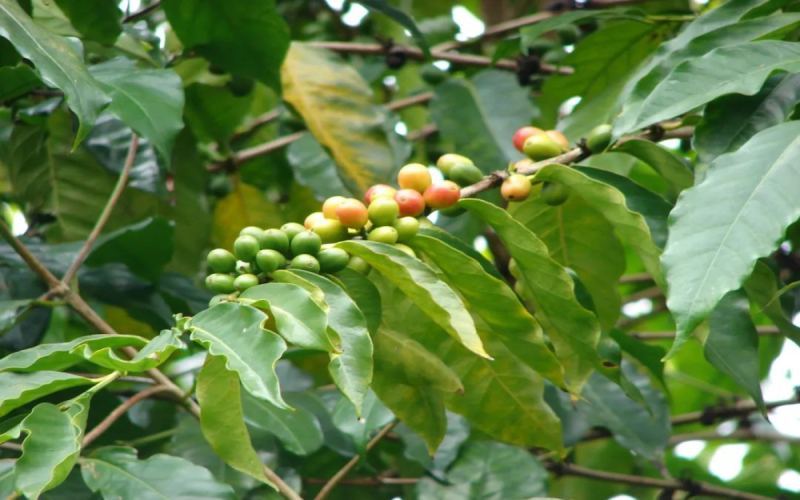
Exploring Ethiopia Sidamo: A Comprehensive Analysis of the Santavini Processing Plant 74158 Coffee Beans
Ethiopia, as the birthplace of coffee, boasts a rich variety of native heirloom varieties and unique natural conditions. The Sidama region, with its high altitude, fertile volcanic soil, and abundant rainfall, has become synonymous with high-quality coffee. The Santa Vini processing station, a high-altitude processing facility under DWD Company, processes the 74158 variety using a 96-hour anaerobic natural method, presenting tropical fruit flavors such as pineapple and citrus along with a full-bodied mouthfeel. Front Street Coffee has selected this bean and brews it using a V60, a 1:15 coffee-to-water ratio, and 92°C water temperature, delivering fermented wine aromas and a sweet red wine aftertaste that coffee enthusiasts will savor. [more…]
An Analysis of Ethiopian Heirloom and Landrace Coffee Varieties: Native Species Characteristics and the Evolution of Their Naming
When you look at the origin information on a bag of Ethiopian coffee beans, the variety field often says "Heirloom." What exactly does this mean? It is actually a collective term for Ethiopia's local heritage varieties, and it is estimated that there are tens of thousands of native coffees in the region that have not yet been formally identified. This article will systematically sort out the differences between Heirloom and Landrace, from the meaning of the terms, classification, and flavor expression to naming trends, and also introduce the meaning of the numbering of JARC-bred varieties. The article also combines several beans from Front Street Coffee to explain the reasons why Ethiopian beans vary in size and why their flavors change from year to year, helping you gain a more comprehensive understanding of the variety diversity of this birthplace of coffee. [more…]
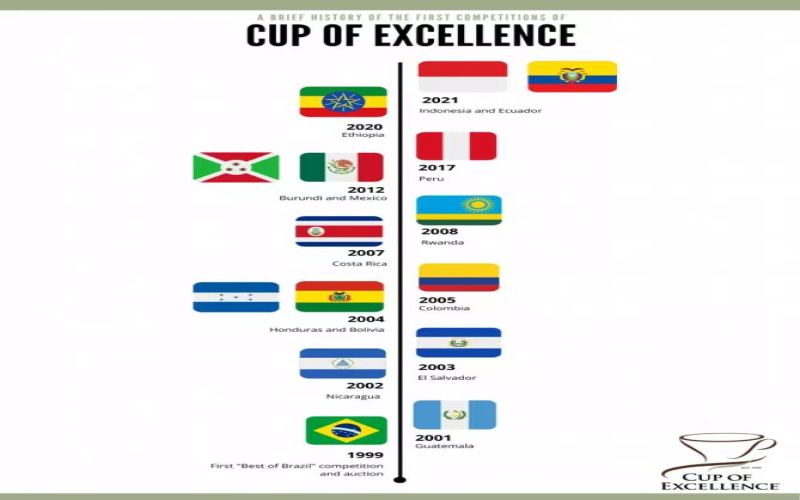
An Analysis of the SCAA and COE Coffee Certification Systems: Differences in Scoring Standards and Their Essential Distinction from SOE
In the world of specialty coffee, the SCAA and COE are two authoritative systems that cannot be overlooked. The former established industry standards and cupping protocols, while the latter selects top-tier green beans through rigorous competitions. How do their scoring logics differ? And why are COE and SOE often confused? This article will trace the development and operational mechanisms of the SCAA, CQI, and COE, explain in detail the differences in cupping score sheets, and use the example of the 22nd-place sun-dried Typica that Front Street Coffee bid for at Ethiopia's first COE competition in 2020 to present the complete story from origin to cup. [more…]
Yirgacheffe Coffee Beans | What Are Yirgacheffe Coffee Beans? An Introduction to the Flavor and Characteristics of Ethiopian Yirgacheffe Coffee Beans
For coffee lovers, among the coffees they've tried, there's always at least one African coffee bean. Among them, the Ethiopian Yirgacheffe coffee beans, originating from the birthplace of Arabica, are highly renowned for their excellent flavor and are much loved by many. In recent years, domestic specialty coffee has developed rapidly, and this coffee, which enjoys great fame in the international coffee circle, [more…]
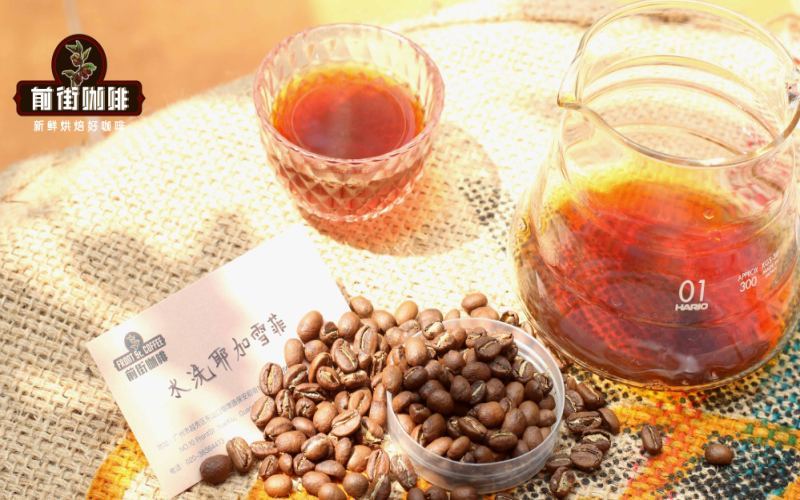
Yirgacheffe Double Stars: A Full Analysis of the Washed Aricha and Natural Arisa Rose Champagne Flavors
In the world of specialty coffee, Front Street Yirgacheffe has become a daily staple for many enthusiasts thanks to its vibrant flavors and affordable price. Its refreshing low acidity and pleasant aroma make it suitable not only for pour-over, French press, and siphon brewing, but also for cold brew immersion—one bean, many ways to enjoy. Today we focus on a special lot—Front Street Ethiopia Aricha Rose Champagne Natural. This limited micro-lot was won jointly by us and two fellow roasters, and after cupping we wanted it all to ourselves. It boasts intense florals, full-bodied sweetness, and a subtle effervescence, with an overall balanced and clean profile and an elegant, lingering finish; as it cools, it blooms in the nasal cavity like rose perfume. This article will detail its origin, variety, processing method, and flavor, along with related background knowledge, to give you a deeper understanding of this natural single-origin worth savoring under the warm autumn and winter sun. [more…]
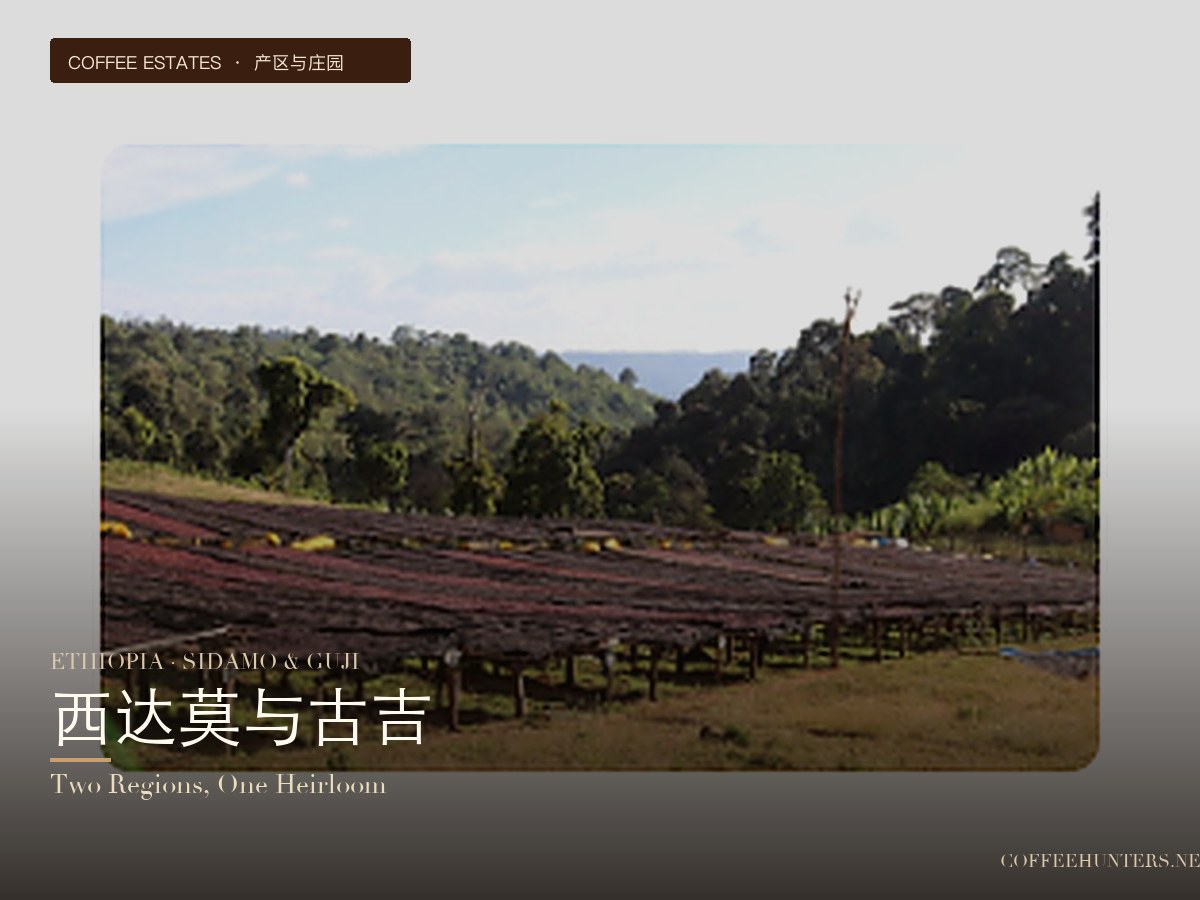
Ethiopia: Sidamo and Guji: A Flavor Divide Between Two Major Producing Regions
Sidamo and Guji are the two specialty coffee regions in southern Ethiopia most often mentioned side by side. This article helps you clarify the flavor divide between them from four dimensions: history, geography, variety, and processing method. [more…]

2024 Ethiopia COE Results Announced: Natural Process Lots Dominate, Sidama Region Shines
The results of the 2024 Cup of Excellence (COE) Ethiopia competition have been announced, and this year's event has many highlights: all 27 winning coffees were naturally processed, and every one of them came from the JARC numerical variety series, with the Sidama region emerging as the biggest winner. Looking back, since Ethiopia first hosted the COE in 2020, it once set a record high price of $400.5 per pound; after being suspended in 2023 due to civil war, this year's relaunch has delivered a remarkable result. This article will walk you through the detailed results of this year's competition and take a deeper look at the geographical advantages of the Sidama sub-regions Bensa and Bona, as well as the origins of the JARC numerical varieties. [more…]